Showing posts with label Frank Sinatra. Show all posts

Tuesday, May 14, 2024

Pops Read a Book: AVA GARDNER: THE SECRET CONVERSATIONS

I just finished AVA GARDNER: THE SECRET CONVERSATIONS by Peter Evans and Gardner (Simon & Schuster, 2013) and didn’t understand its strange format until the epilogue.

Rather than taking the form of a straight up (ghostwritten) memoir, this book is a series of conversations between the author and his subject, half of them about the very writing of the book itself. Gardner (then in her ‘60s, suffering from ill health and feeling very obsolete and sad) vacillates between ribald honesty and anxious second-guessing, making for an often-frustrating reading experience. It’s not until the end of the book that it’s revealed that the intended project fell apart (reportedly because Sinatra disapproved of the collaborator), and the author pitched the idea for THIS book after Gardner had died, only to succumb to a heart attack himself before finishing it.

I guess if I’d known precisely when Gardner “started pushing clouds” (1990), I’d have wondered why this book took so long to come out, and maybe gleaned its origin, but I plead ignorance. I think the whole thing would’ve been much better served by not burying the lede at the end of the whole shebang, but your mileage may vary.

There’s also way too much fretting over asking Gardner about Frank’s penis size. But hey, what book doesn’t feature that?

Originally posted on social media, March 10, 2023

Pops Read a Book: THE B SIDE

 THE B SIDE: The Death of Tin Pan Alley and the Rebirth of the American Song by Ben Yagoda (Riverhead Books, 2015) is an incredible history of the evolution of the art and business of (primarily) American songwriting in the 20th century. Yagoda’s heavily-researched overview tracks from the age of sheet music through Tin Pan Alley, the Jazz Age, Broadway, the birth of Rock and Roll, the solidification of the American Songbook in the mid-century, and finally the Beatles revolution. While dips into the business dealings and competition between BMI and ASCAP were a little too deep and dry for me, this is a mostly-riveting account for anyone who’s ever paid attention to not just the singers, but the songs.

Originally posted on social media, Feb. 13, 2024

Monday, June 28, 2021

Guy Walks into a Bar, Asks for a Beer, Gets into a Fight, Gets Stabbed, Kills Some Dudes, Tosses a Bill on the Bar, Leaves without Saying Goodbye, and Goes Home to His Huge Loft Apartment to Listen to Sinatra

(A Subjective Take on Movie and Television Tropes)

Movies and television couldn’t exist without tropes. Genre fiction in particular is reliant upon themes and ideas that we’ve seen a hundred times (let’s face it, at base level, there are only so many three-act stories to be told). It’s what each individual project does with these recurring motifs that make them feel either new and thrilling (Hereditary) or tired to the point of cliché (The Conjuring: Any of Them).

Certain tropes have become such an ingrained part of filmed fiction that we just go with it to keep the story moving, and, sometimes even enjoy them on their own merits. What follows is a (subjective, as always) list of movie and TV tropes, some that I hate, some that I can deal with, and a few that I even like, rated on a scale of 1-10, being least to most annoying. Note that I am primarily discussing genre films here, and there are certainly exceptions to all of these (some of which we’ll discuss). 

1. SHITTY SHARPSHOOTERS (Annoyance Level: 10)
My most hated cliché in film and television: Our hero is outgunned ten to one. He has to run across an open parking lot to get to safety while being sprayed with hundreds of rounds of automatic gunfire by highly-trained snipers. And every single bullet misses. This particular cliché is borne (no pun intended) of the kind of one-upmanship that forces filmmakers to elevate a simple gunfight (that has real tension and sense of danger) to a cartoonish spray of so many bullets that, in real life, would undoubtedly make Swiss cheese out of the fleeing protagonist.
SEE: John Wick, The Punisher (all iterations), Captain America: The Winter Soldier, most James Bond films. 


2. EXPLODING EVERYTHING
(Annoyance Level: 6)
Sometimes in movies, things blow up. People like to see things blow up. BOOM! Did you see the thing blow up? Wasn’t it cool? Explosions are fine when the item making the big boom is something incendiary enough to create such a massive fireball (usually being things with gas tanks). But in too many movies, items that would never create an explosion bigger than your average bootleg firework erupt like a silo full of TNT.

SEE: Road House, The A-Team, the Lethal Weapon series, any Michael Bay film. 


3. SINGING WOOD
(Annoyance Level: 2)
It is a cliché etched in Hatori Hanso steel: No metallic weapon—knife, sword, scimitar, sling blade, screwdriver—can be extricated from any housing without it making a sharp, ringing sound… even if the sheath is a leather scabbard or wooden knife block. Simple physics can be distracting when ignored (other annoying impossible sounds: screeching tires on dirt roads or grass, soft-heeled shoes making clopping noise, that goddamn red-tailed hawk speaking for every predatory bird on Earth).
SEE: Gladiator, Kill Bill (both volumes), Xena: Warrior Princess, Conan the Barbarian


4. GENERIC DRINK ORDERS / UNCLOSED TABS
(Annoyance Level: 5)
While blatant product placement can be a distraction, it’s nowhere near as annoying as when a character bellies up to a full bar and orders, “A beer.” As someone who’s slung suds for a living, I can tell you that’s the beginning of the order, not the end (unless the bar is in England or some other godforsaken land where the pub only has one thing on tap)!
Equally as distracting is the frequency with which characters will abruptly leave a bar or restaurant without (a) finishing their drink or (b) paying their tab, often just tossing a few bills on the bar, presumably hoping that it’ll cover it. But what if it doesn’t? And what about the tip? What about the tip?!? 
SEE: Blue Bloods, Cocktail (ugh), Cheers (don’t get me started on Cheers)


5. KILLING WITH IMPUNITY
(Annoyance Level: 8)
I get it, sometimes a friend or family member gets killed or kidnaped and the cops just won’t do what needs to be done and so you gotta take the law into your own hands. Hey, we’ve all been there. But when revenge becomes a killing spree that leaves a string of dead bodies across numerous time zones and international borders, why does it seem like almost every vigilante just goes back to life as normal (at least until the sequel when another family member is killed or kidnaped again)?
SEE: Taken, Taken 2: The Tookening, Taken 3: Tooked Again, pretty much anything with Liam Neeson


6. PROBABLY TOO BEAUTIFUL HOMES
(Annoyance Level: 1)
Okay, sure, that spacious downtown loft with the exposed brick and beams and the floor-to-ceiling windows and the hardwood floors and the chef’s kitchen and the amazing lighting and all the plants that aren’t dead would be beyond the financial reach of that waitress that accidentally saw that mob hit. Most of the time, I don’t care. Show me the houses beautiful! I’ll never be able to afford one, let me live vicariously! I’ve stuck with terrible movies just because I wanted to see more of the fabulous living spaces.
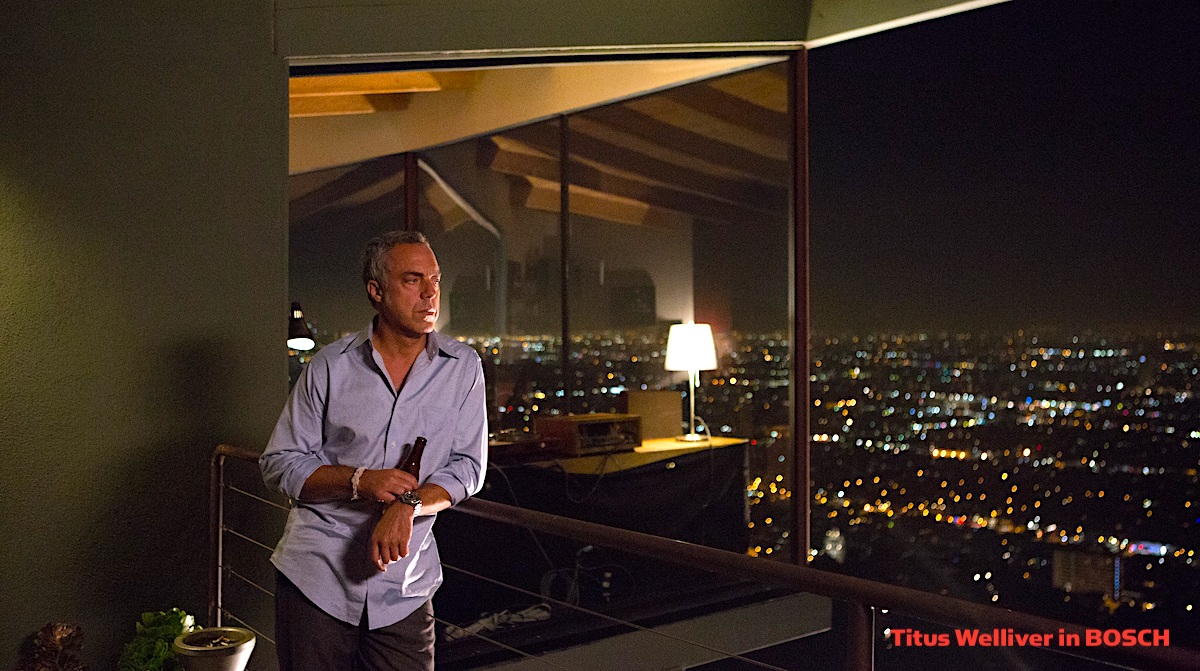
SEE: Ghost, Bosch (Harry got that movie money), Rear Window (but I will not say FRIENDS. Fuck them).


7. RESILIENCE (TO AN EXTENT)
(Annoyance Level: 4)
One of the many things that makes Die Hard the best action film of all time (but it’s not a Chr… oh, forget it) is that John McClane gets hurt. We feel his pain as he struggles to defeat Hans Gruber’s merry band of bandits with bloody feet and bruised bones. Sure, with each successive sequel, despite getting older, Bruce Willis’ grizzled detective seems to develop nigh-invulnerability, ultimately shaking off having a building collapse on him in A Good Day to Die Hard like a bald Wile E. Coyote. But anyone who’s ever been in a real brawl knows that, again, if movies were like real life, all physical confrontations between regular humans would be over as quickly as they began. Being punched / stabbed / shot / et al hurts! So it doesn’t bother me too much when Bruce Lee gets back up after being kicked around by a hundred martial arts assassins. Nor should it you.
SEE ALSO: They Live, The Killer, Oldboy, and all of the Fast & Furious franchise (it’s all about family, you know)


8. REALLY, REALLY RECKLESS DRIVING
(Annoyance Level: 9)
I’d imagine Driver’s Ed teachers scream at the TV an awful lot. Let’s set aside the removal of all rear view mirrors in cinematic vehicles, I understand why, but c’mon, people, at least put on your seatbelt! And, fer cryin’ out loud, if you’re in the driver’s seat, stop looking at the person next to you or in the back seat while conversing with your shotgunners! They can hear you just fine! Keep your eyes on the road, pal!
As for car chases, in a post-Bullitt / French Connection world, they are rarely believable in the slightest (Ronin being one exception). Anyone who’s been in the midst of a congested rush hour knows that some crazy (Baby) driver trying to race 100 MPH on a busy street ain’t gonna get that far (even if they do jump the curb). I’ll suspend my disbelief to an extent, but when a speeding car chase suddenly goes against traffic, that’s where I draw the line. It’s simple physics, people!
SEE: Iron Man 2, at least one Mission: Impossible flick, and I think most of the Bourne movies. 


9.  A CERTAIN AMOUNT OF FAN SERVICE
(Annoyance Level: Varies wildly)
While it wasn’t enough to salvage the entirety of Wonder Woman 1984, Lynda Carter’s cameo as Asteria did elicit a whoop of joy from this aged fanboy who thought the absence of an appearance by TV’s Wonder Woman of the 1970s was one of the first film’s few missteps (that and giving Ares a thin mustache and a sibilance). As most genre filmmakers in the 21st century are lifelong fanboys themselves, it’s understandably difficult to resist the temptation to put in everything they’ve been dying to see in a Star Wars / Trek / James Bond / Spider-Man / et al film since they were kids playing with action figures. And a little bit of fan service is a beautiful thing (FX’s Fargo pays just the right amount of homage to its cinematic inspiration). But when it’s overdone (Terminator: Genysis, Daredevil (the movie), any and everything by JJ Abrams), it becomes more distracting than enjoyable.
SEE: The Avengers, Better Call Saul, Star Trek: Picard (right on the edge, that last one). 


10.  ACCENTED ENGLISH IN LIEU OF FOREIGN LANGUAGES
(Annoyance Level: Contingent upon how good the accent is, but on average, about a 3)
It’s a ludicrous construct if you think about it. But having an actor speak English with a foreign accent in place of using the character’s native language has become ingrained shorthand in film and TV. It only truly becomes noticeable if only SOME of the actors are doing it (ala The Death of Stalin). I have a much harder time with a science fiction film in which alien cultures have a mix of Earth accents. C’mon, Star Wars, either make them all from Space England or not!! Make up your mind!
SEE: All American Godzilla movies, the Mission: Impossible franchise, Jojo Rabbit, and anything else with Nazis. 


11. GLIBNESS IN THE FACE OF DEATH
(Annoyance Level: 3)
It’s called “comic relief” for a reason. If characters reacted to life-threatening situations as you or I would in real life, movies would be populated with people mostly doing nothing but screaming, running, and cowering in the corner. Oh, and live-streaming the incident on Instagram. But movies that get our heart rates up need to have leveling agent, which usually takes the place of a well-turned phrase or perfectly-timed joke. Sure, pith in the face of peril is as unrealistic a scenario as being stalked by a knife-wielding serial killer or a marauding alien, but when they work, it as much a tension breaker as when your racist uncle decides to leave the cookout early. Or something. I’m having a hard time coming up with a funny simile, perhaps because my life is not currently being threatened.
SEE: Independence Day, Midnight Run, Thor: Ragnarok (actually TOO many jokes in this one!)


12. IN SPACE, EVERYONE CAN HEAR EVERYTHING
(Annoyance Level: 5)
Adherence to the “science” part of science fiction is spotty at best in most movies and TV shows, nowhere more so than ignoring the fact that the vacuum of outer space precludes there being sound (hence, Alien’s classic tag line, although since there are audible explosions in that film, I have to imagine you could also hear someone scream). One of the things I loved about the Battlestar Galactica reboot was its silent space battles). Sure, when the Phantom Zone villains are having a freaking conversation on the moon in Superman II, that’s a bit much to take. But you know what? This stuff’s not real. Let the Star Destroyer and the Klingon Bird of Prey go boom. It’s fine.
SEE: Again, almost everything except Battlestar Galactica, 2001: A Space Odyssey, and one quick scene in 2007’s Star Trek reboot. 


13. FRAAAAAANKIE!
(Annoyance Level: 1, and then only if it’s “My Way” or “New York, New York”)
Music Supervision is a great job. You help filmmakers select and/or secure songs to be used in movies and TV shows. The best ones have an encyclopedic knowledge of music that allows them to avoid the usual aural clichés that have been done to death (can we just ban “Bad to the Bone” and “Walking on Sunshine” from ever being used in anything ever again, please?).
But while some might think the work of Frank Sinatra is overused, I shall never wince at the placement of a well-placed Sinatra side. He’s got a song for every possible human emotion you can wrest out of existence, and most of the time, they’re great. I mean, there are exceptions (I’d be okay with never hearing “New York, New York” again as long as I live, let alone when a movie transitions locations from the heartland to the Big Apple). But you can plop “Fly Me to the Moon” or “The Best is Yet to Come” in every wedding scene put to film— or “One for My Baby” over a sad guy at a bar — or “It Was a Very Good Year” any time an older character is feeling wistful— and I’d be okay with it.
SEE: Blade Runner 2049, The Marvelous Mrs. Maisel, Elf


No doubt some of you disagree with my sliding scale on these tropes, and probably have your own list of things that grate your cheese when you’re trying to relax with eight consecutive episodes of that show you’re streaming. Tell ya what… I’ll meet you at that place near the thing that we went to that time and we’ll hash it out over a pint of unnamed beer. Just promise me that if it gets heated, you won’t stab me and walk out on the tab. 

_____________________________
READ THIS PIECE ON MEDIUM. 

Monday, February 08, 2021

12 Great Album Covers / Art of the Album

This was fun: Michael Kauffman invited me to participate in Muse by Clio's "Art of the Album Series," in which I select a dozen favorite album covers. For the original piece, go here!
---------------------------------------------------------------------------------------------

When I agreed to participate in this series, I quickly realized how daunting it was going to be to limit myself to just a dozen covers. In order to help winnow the list, I decided to only use records that I actually own, leaving some covers that might’ve made the cut (eg, Elvis Presley’s eponymous debut) for others to highlight (not that there won’t be some crossover here). Additionally, my criteria here are completely subjective, meaning that some covers might not seem to some of you as being particularly striking from a design standpoint. But to me, with every one of these albums, the link between music and cover art is inextricable. 

The Sex Pistols, NEVER MIND THE BOLLOCKS, HERE’S THE SEX PISTOLS (Virgin / Warner Bros., 1977. Artist: Jamie Reid)

One of the most life-changing records of my life, this genre-defining slab of punk rock remains as fresh and incendiary as it did when I first heard it come out of my pal Kevin’s speakers over 40 years ago. And the graphically stark, mismatched text-only cover in fluorescent pink and green (as the American version was colored) was as much a reaction to slick, overdone album covers as the music was to the bloated nature of much of what comprised 1970s rock. Everything about this record, including the cover, is perfection. 


The Dave Brubeck Quartet, TIME OUT (Columbia Records, 1959. Art: S. Neil Fujita)

Let’s face it, from a design perspective, it’s hard to beat jazz LPs of the 1950s. There are hundreds of beautiful covers that utilize a deft mixture of photography, artwork, and typography. But this one is what instantly springs to mind when I think of that era, that sound, and that visual esthetic. This cover is everything that lies inside: Sophisticated, innovative, smart, elegant, playful.


R.E.M., RECKONING (I.R.S. Records, 1984. Art: Howard Finster with Michael Stipe)

R.E.M. lead singer, Michael Stipe gave Howard Finster a crude drawing of a snake and asked the folk / outside artist to paint over it for the cover of the Athens, GA band’s second full-length LP. The resultant imagery, a cover like graphic kudzu, greatly increased Finster’s audience (more people to whom he could preach!). I can still remember how much this cover just leapt out of the record racks when it was new, like a crazy street preacher speaking in tongues. Which, in this case, was a perfect match. 


Various Artists, A VERY MERRY CHRISTMAS (Columbia Special Products, 1967. Artist unknown)

This department store compilation has been a perennial every December from as early as I can remember (and may well have been my first favorite album). The design is simple: A flat, red background with the 14 contributing musical artists depicted in circles stacked in a triangle with smaller green circles as ornaments and the record title in (Clarendon?) at the top to form a Christmas tree, with the “Produced exclusively for Grants by Columbia Special Products / STEREO” info serving as the trunk of the tree. This record might be more responsible for instilling a “less is more” design esthetic in me than any other piece of hard media in my wee formative years. Although, thankfully, I no longer cry when Jimmy Dean’s version of “Jingle Bells” ends. 

THE B-52’s (Warner Bros. Records, 1978. Artist: Tony Wright [as Sue Ab Surd])

The weekend after this prototypical new wave band appeared on Saturday Night Live, I begged my father to stop at Budget Disc-O-Tape in downtown Lancaster, PA to buy me their debut LP. An indulgent parent, he came home from work that Monday with the record, and when I pulled it out of the brown bag from the record store, the overly saturated photo, the flat colors, the bright yellow album cover seared into my brain as another visual complement to my burgeoning sense of proud alienation from the mainstream. Screw Boston (the band, not the city)! 


X, UNDER THE BIG BLACK SUN (Slash / Elektra, 1982. Artist: Alfred Harris)

One summer day shortly after my graduation from high school, some friends and I traveled the 90-minute drive to Philadelphia specifically to go record shopping. At one of the shops we hit that day (the specific location eludes me), I spotted this striking black and white cover, curiously wrapped in loose plastic wrap (like shrinkwrap that hadn’t gone under the gun). Somehow the Los Angeles art-punk band, X’s first two albums had eluded me, but this was one of those not uncommon scenarios where I knew I had to own the record just based on the cover(s, including the back). Bleak but romantic, equal parts poetry and anger, this record made me instantly fell in love with the band, who went on to become my second favorite of all time (First place goes to the Clash, who are curiously absent from this list, but only because London Calling is too easy a pick and I already mentioned its design inspiration in the introduction). But back to the cover, while it’s certainly great, whoever had the idea to use the loose shrinkwrap also contributed to the design that I found so eye-catching. 

Julie London, AROUND MIDNIGHT (Liberty Records, 1960. Designer unknown)

It’s here that I confess a decidedly un-woke, yet abiding affection for classic “cheesecake” album covers of the 1950s and ‘60s. I couldn’t not have one on this list, and while Paul Weston’s THE SWEET AND THE SWINGIN,’ Nelson Riddle’s SEA OF DREAMS, and Esquivel’s OTHER WORLDS OTHER SOUNDS are all framed on the wall in my entranceway, I have to give the nod to Julie London’s 1960 side of slinky seduction, AROUND MIDNIGHT. While London regularly trafficked in provocative covers, this one is the gold standard… literally. On the cover, Julie lies (no doubt uncomfortably) on her back, legs in the air, arms behind her head, just barely supported by a small pillow as she cranes her neck to look at the hapless romantic holding the record in his sweaty paws. Julie’s encircled by a clock’s roman numerals—embossed with gold ink, along with the pillow and the singer’s tight pants and high-heeled mules. She may not have been able to get enough air in that position to sing “You and the Night and the Music” but that album cover sure fit the tune. 

The Mono Men, SIN & TONIC (Estrus Records, 1994. Design: Art Chantry)

Speaking of a cocktail esthetic, nobody did the retro thing better than Art Chantry, the legendary Pacific Northwest designer whose work became synonymous with garage rock in the 1990s. Taking inspiration (sometimes liberally) from all aspects of vintage pop culture, Chantry paid attention to every detail of the records, posters, tee-shirts, and CDs he designed, and made better usage of type and than almost any artist in the past three decades. As computers began to take hold as the primary tool for designers, Chantry steadfastly clung to analog art techniques, matching the primal immediacy of bands like Bellingham, Washington’s Mono Men, one of my favorite bands of the era (don’t call them grunge). 

KISS, LOVE GUN (Casablanca Records, 1977. Artist: Ken Kelly / Designer: Dennis Woloch)

Prior to my punk rock epiphany in 1979, I was a member of the KISS Army. True story. I’m not ashamed. The combination of their pop-metal anthems and comic book sensibility was ripe for my adolescent picking. And, being keen marketers (as we now all know), they paid as much attention to their album packaging as the music inside (maybe more). 1977’s double-entendrefest, LOVE GUN featured a Ken Kelly-painted cover in which Conan the Barbarian would’ve felt right at home. Inside, the band’s logo was approximated by blood on a green marble background on the inner sleeve, and a cardboard, fold-out pop gun bonus took the album’s name way more literally than anyone else did. And it all works. 

Frank Sinatra, SEPTEMBER OF MY YEARS (Reprise Records, 1965. Artist: G.R. Bartell / Art Direction: Ed Thrasher)

(also COME FLY WITH ME, NO ONE CARES, AT THE SANDS, SINGS FOR ONLY THE LONELY…)

Considering that this entire list could’ve been nothing but Frank Sinatra albums, you’ll forgive me mentioning a few runners-up. It’s no surprise that the man who first conceived the record album as a thematic piece would also have some fantastic covers that match the music. This achingly melancholic reflection on aging is perfectly adorned in a slightly impressionistic, blue-and-green-tinged painting of the singer seeming to lean out of the way of the full track listing in the upper left corner. The cover exudes a weary, reflective maturity that’s maybe less iconic than a lamppost and a tilted fedora, but is every bit as powerful. 

Built to Spill, PERFECT FROM NOW ON (Warner Bros. Records, 1997. Art and design: Tae Won Yu)

Photographer / guitarist / artist / designer, Tae Won Yu is an indie rock Renaissance Man, with a long list of credits, but his cover for Built to Spill’s 1997 masterwork, PERFECT FROM NOW ON is particularly inspired. Meandering but cohesive, enveloping all sides of the package, you can see something new in it every time you look (again, just like the music inside…. Except, you know, with the hearing instead of the looking. Heh.). I also have a personal connection to this record because it came out during my tenure as the East Coast Alternative Marketing Regional at WB, and was one of the defining records of that era, a time when artist development was still a priority, albeit beginning to head towards its sad but inevitable end. 

Jack Marshall, SOUNDSVILLE! (Capitol Records, 1959. Designer unknown)

Okay, I’ll be honest, I don’t love this record. It’s rather forgettable jazzy easy listening (augmented with whistling!) from the producer / songwriter / guitarist (perhaps best known for writing The Munsters theme). But that cover!! It’s everything I love about this era in record cover design in one simultaneously swanky and cheesy package. No explanation required, there’s no subtle subtext here, and you either dig it or you don’t (and if you don’t, you probably REALLY don’t). But even if this record were completely unlistenable (and it’s not), it would still earn a spot on my shelf. 


There are so many more covers that I love, and as with all subjective lists of best / favorite / most iconic whatevers, if I were to rewrite this next week, there might well be some swapped choices (like maybe Talking Heads’ MORE SONGS ABOUT BUILDINGS AND FOOD for The B-52’s? Cannonball Adderley’s THINGS ARE GETTING BETTER for TIME OUT?)… in fact, I spent way too much time debating the last two on the list with so many other runners-up yelling at me from my shelves. These are the things that never bother Spotify users. Sigh. 

Sunday, September 09, 2018

Albums That Made an Impact.

As I've said once or twice on this thing, one of the sad side effects of social media is that it has seriously maimed blogging as an expressive outlet. Rather than take the time to craft an extended piece about any given topic, most people (myself included) are far more likely to just dash off a quick rant on Twitter or their Facebook page, have it be seen by whomever happens to have them in their algorithm for a day or so, and then move on with their life. As with everything else in this digital age, even the most passionate post becomes merely ephemeral, disappearing until perhaps the person re-posts it when it pops up in their Facebook Memories. 

And while those who do still take the time to write full pieces—whether for their own blog or some other outlet—will of course promote them on social media, it's rare the the opposite occurs; Why not cut and paste a good Facebook post into a blog so it doesn't quickly disappear? GOOD IDEA, ME!

While I normally take a hard pass on social media hot potatoes ("List every single place you've ever been and tag seventy people in it!"), I recently relented and took up the "Albums That Made an Impact" challenge. I found the particular criteria (literally impactful, rather than simply favorite) to be an interesting exercise. Some of the records that made it only my list are ones that I don't particularly love (either anymore or ever!), but they are all touchstones to one extent or another. And since I am an old, wordy, and opinionated bastard, I went well beyond the traditional ten, first by adding runners-up for each record, and then by adding a couple extra after I thought I was done.

AND SO, for the benefit of perhaps nobody other than myself so I can recall spending all the time doing this little bit of musical onanism... My Most Impactful Albums (in mostly chronological order)....

I'm starting with one of the first LPs I ever owned, a not-original-cast recording of You're a Good Man, Charlie Brown, released by Pickwick Records. I listened to this thing so much that I still know it by heart, and so to me, THIS is the original recording, not the actual MGM Records soundtrack... And yes, I still have it, the original scratchy, beloved vinyl.

RUNNER UP: This album may surprise those to whom I've voiced my extreme loathing for the Walt Disney Reich, but Walt Disney's Happiest Songs was another of my first records, and thus has a strong nostalgic pull for me.


2 of 10 Albums That Made an Impact: KISS, The Originals. Technically, the band's first three albums packaged together with a plethora of bonus goodies, this set represents the first band I truly loved. Oh, I'd listened to glorious '70s FM radio, and owned a few pop albums and 45s prior to this (see first comment below), but heading into junior high, I was behind the curve when it came to rock and roll (I partly blame being the youngest kid in my class as well as a lack of elder mentoring). But due largely to the comic book aspect of the Metal-Lite quartet from Noo Yawk, KISS became my first favorite band, even though it would only be a few years until I discovered the music that would TRULY change my life, and I'd hand over all my KISS records to my kid brother...

RUNNER-UP: I was originally planning on posting the first "rock" LP I ever owned, but The Originals set was actually far more impactful than... ahem.... Captain and Tennille's Song of Joy, which prompted my grandfather to disgustedly comment, "Ugh, don't tell me you're listening to ROCK AND ROLL," to which I replied, "Hey, at least it's not PUNK ROCK!"


3 of 10 Albums That Made an Impact: Steve Martin, Let's Get Small. I was not the only smartass in school who was able to recite this album beginning to end, but it taught me so much about the power of language and timing and how you could be smart and absurd at the same time. I still love it (and his next two records) to death. 
"R-A-M-B-L-I-N-APOSTROPHE!"

RUNNER-UP for #3 isn't a comedy album, but it's the soundtrack that I've now repurchased five times in different formats and reissue versions, and that I ABSOLUTELY know by heart to the point where I can tell you where each second of music fits into the film. It's (duh) John Williams' soundtrack to Superman.

4 of 10 Albums That Made an Impact, and while I'm doing these (mostly) chronologically, this was the biggest wallop: The Clash's self-titled debut (US version). I was a freshman in high school, and one morning on the bus, I happened to mention to my pal Kevin Fleck that I was really starting to like some of this new wave stuff I was hearing. Kevin insisted I come over after school so he could play a couple of records for me. He put this on, skipping straight to "Career Opportunities," and said, "Listen to how ANGRY he sounds!" ...And as Joe Strummer snarled, "Do ya wanna make tea at the BBC, do ya wanna be, do ya really wanna be a CAAAAAAHP?!" my eyes widened, my brain exploded, and my life changed in an instant. Kevin loaned me The Clash and one other record (see honorable mention, below), which I spent the entire weekend listening to repeatedly. For the first time in my life, music truly spoke to me, connected with me on such a primal, personal level that I finally felt like I belonged somewhere (besides the Comic Store, I mean). The Clash went on to become my all-time favorite band, and while London Calling may be my favorite album of theirs (and, in fact, my favorite rock album of all time), this is the one that altered my reality. Thanks again, Kevin.

RUNNER-UP: The other album that Kevin loaned me: The Sex Pistols, Never Mind the Bollocks. As brilliant and incendiary and exciting today as the day it was released.

5 of 10 Albums That Made an Impact: Blondie, Parallel Lines. The Clash and the Pistols may have sounded the clarion that awakened me, but being a not-quite downtrodden middle class white kid in suburban Pennsylvania, I never felt comfortable being identified as a "punk" (or, as the normies called my friends and me, a "fucking punker"). I may have loved punk, but I was more of a new wave kid. And this record, one of the first "cool" albums I bought on my own, turned Blondie into my next favorite band.
Postscript: Decades later, drummer Clem Burke was performing at Maxwell's, and when he came to the bar, I said, "I gotta tell ya, Parallel Lines changed my life," to which he replied, "Hey, mine too!"

RUNNER-UP: The B-52's self-titled debut, purchased the Monday after their mind-blowing appearance on Saturday Night Live in 1980. Talk about polarizing, that morning in school, my punk / new wave friends and I were all gushing about how amazing they were while the jocks and the preps were talking about how much this weird band sucked. Their derision and rejection (which wouldn't last through my senior year) was a badge of honor.

6 of 10 Albums That Made an Impact: This is a weird one because it's an album that I no longer own, and never really liked all that much: The various artists original soundtrack to Pretty in Pink. This rather tepid collection of mostly danceable new wave included a completely ill-advised up-tempo re-recording of the title track by the Psychedelic Furs and represents everything I hate about John Hughes films.

So why is it on this list? Because it was the very first promo (meaning free record) I received. I was working at Sam Goody in the Park City Mall in Lancaster, PA, and an A&M rep brought in a box of freebies (something we usually didn't get at the chain store) because she had a crush on our singles buyer, Dann DeWitt (poor girl didn't know she didn't have a chance with Dann, being a female and all). Dann was kind enough to share the goodness with the staff and I chose this. I couldn't believe my luck. A FREE RECORD! What I didn't know at the time was that this would be only the first in a mountain of literally thousands and thousands of free records, CDs, tapes, videos, and more swag that would flow my way in the next two decades in the music biz.

But you never forget your first.

RUNNER-UP: Honorable Mention goes to a far better album that came out a few years earlier that got squeezed out of the list by the epochal nature of the above promo: The Replacements, Let it Be.

7 of 10 Albums That Made an Impact: R.E.M., Green. I had just taken over as manager of BBC Records in Lancaster as Warner Bros. was gearing up to release R.E.M.'s major label debut, and I was receiving tons of promos (including a clear orange vinyl 12" of "Orange Crush," a "meadow in a can," a hardcover digipack CD, and more) from Julie Panebianco, my WB Altmktg rep (a job I would later inherit from Mary Marcus when I moved to Hoboken in '96).

The album's promotion was tied into the 1988 Presidential Election, and when George Bush handily beat Michael Dukakis, I drunkenly made my way the five blocks from my apartment to the record store I now ran, unlocked the door, threw Green on the stereo, cranked it up, and passed out on the floor. This record is cemented in my mind as an icon of the beginning of the best job I ever had, the start of my relationship with the record label at which I would eventually work, and catharsis in a political defeat that wasn't the first, and wouldn't be the last.

RUNNER-UP: Throwing Muses, self-titled 4AD debut. This was the first expensive import CD I bought (at BBC Records while I was still working at Sam Goody), and I was openly mocked by Paul Pendyck for purchasing it, giving me my first taste of the High Fidelity brand of music retailing (a tack I would perfect myself).

8 of 10 Albums That Made an Impact: Frank Sinatra, The Capitol Years. I've written about this epiphany numerous times, but here 'tis again. In the late '80s, while I had begun to listen to vintage big band and pop vocal sides, I was still inexplicably averse to (or at least ambivalent about) Frank Sinatra. But when Capitol released this three disc set in late 1990, my BBC cohort, Rex Litwin ordered one and I asked if I could borrow it. I took it home, along with a 100-minute blank cassette on which I would record the songs I liked, thinking that would be sufficient. But sitting on the floor in front of the stereo, by the time I got to "I've Got You Under My Skin," I was enraptured, feeling the kind of musical connection I hadn't felt since Kev' played "Career Opportunities" for me in 1979. True, this music was not of my time, but that didn't matter. Then again, that's one of the things I quickly came to realize about Sinatra... he's timeless. I now own almost everything the man ever recorded, and probably a day doesn't go by where I don't listen to at least a few songs by who I consider the greatest singer of the 20th Century.

RUNNER-UP: The record that got me into this kinda stuff in the first place: The soundtrack to Woody Allen's 1987 nostalgia-fest, Radio Days.

9 of 10 Albums That Made an Impact: Miles Davis, Kind of Blue. It was a short step from listening to Frank, Ella, and Billie to digging on jazz, and this utterly perfect 1959 album (with perhaps the most killer lineup ever) was the gateway. My interest in jazz exploded to the extent that Steve Murray graciously allowed me to expand BBC Records' specialty from just alternative to alt and JAZZ (never a big seller at music retail, but we made it work).

RUNNER-UP: The Yin to Kind of Blue's Yang: The Dave Brubeck Quartet's Time Out. It wasn't uncommon for some of our rock customers at the store to decide to dip a toe into jazz (usually because of instore play), and we would always recommend one of these two records as the perfect starting point.

10 of 10 (or so) Albums That Made an Impact: Built to Spill, Perfect from Now on. There was a bit of culture shock going from running a tiny indie record store to working at one of the biggest labels on the planet, but I was never an anti-major label elitist. After all, most of my favorite albums were released by the majors. So when Joe McEwen handed me an advance cassette of the label debut by Idaho's Built to Spill, I excitedly took it to my office and cranked it up. And holy shit. Of all the records I worked in my brief time at Warner Bros. Records, this one was perhaps the greatest evidence that my corporate labors had some merit. Of course, I was there as Warner's legendary reputation of being artist-friendly and taking time to let careers develop was ebbing away, but in the moment, there were some true musical highlights, none brighter than this...

SUPER CLOSE RUNNER-UP: Wilco, Being There. Their best record, if ya ask me, and I have an incredibly deep emotional attachment to memories of working this one. To say the least.


Oh, Yeah, Here's Another Album That Made an Impact, Day 11: Various Artists, A Very Merry Christmas volume 1. No single record in my collection is more iconic to me than this department store compilation produced by Columbia Special Products in 1967. This is the record I remember Alice Heitmueller (I call her "Mom") spinning on the old giant Magnavox stereo more than any other, This is the record that I begged her to replay (Jimmy Dean's version of "Jingle Bells," precisely), This is the record that served as my first (of MANY) soundtrack to Christmas. 50 years later, I acknowledge that some of the songs herein are ripe cheese (that I will always love and devour), but some of it still rings in my ears as being among the most beautiful music ever recorded.

12 of Fine, I Need More Than 10 Albums That Made an Impact: Elvis Costello & the Attractions, Armed Forces. Snarky, smart, sardonic, hooky, perfect. And it came with a bonus live 7" single, to boot! I got this for Christmas 1979 (along with The Cars' Candy-O, which I was accused of wanting only for the cover). Two utterly perfect records that still have an impact to this day.
13 of Just a Few More of These, I Promise: X, Under the Big Black Sun. It was the summer of 1982 and some friends and I were record shopping in Philly when I spotted this striking cover (encased in a loose shrink wrap, which stuck with me) on a new release rack. While the band's first two albums had somehow slipped through the cracks with me, I bought this record and their utterly unique sound (a melding of punk, country, roots, and a touch of '60s psych) combined with some of the most beautifully distinctive imagery in the history of rock soon made X one of my all-time favorite bands (to this day).


I Swear, Last Day of Albums That Made an Impact: Matt Pond PA, Emblems. While music never ceased to be important to me, by the time I was slinging the drinks at Maxwell's, I'd lost the kind of passion for finding new bands that defined my younger days. And then one evening, as I was setting up the back bar, this band I hadn't heard of was sound checking and I had to stop working and just go stand on the floor and watch them. Through that, and their subsequent set, I was mesmerized. I bought their new record, and for months, it was practically all I could listen to. Matt Pond PA became probably the last "new favorite band" that I'd ever have.

Then again.... "Tell me there's going to be time left /
Tell me I'm stupid and I don't have to worry"

One last runner-up: Screaming Females, Castle Talk. The other time when I was just completely knocked out by a band. Marissa Paternoster is as big a rock star as anyone who's ever picked up a guitar.